Top Sliding Doors for Room Dividers
Innovative Sliding Door Systems for Compact Areas: Expand Your Living Area
Creative sliding door options provide real benefits for optimizing compact areas. By doing away with the necessity for swing room, these doors provide seamless passages between rooms. Selections including pocket doors and bypass doors optimize spatial use while adding materials such as glass boosts natural illumination and a sense of openness. As metropolitan residential spaces progressively decrease in size, grasping the different styles and characteristics on offer proves critical for functional design. What specific solutions can transform a compact area into a functional haven?
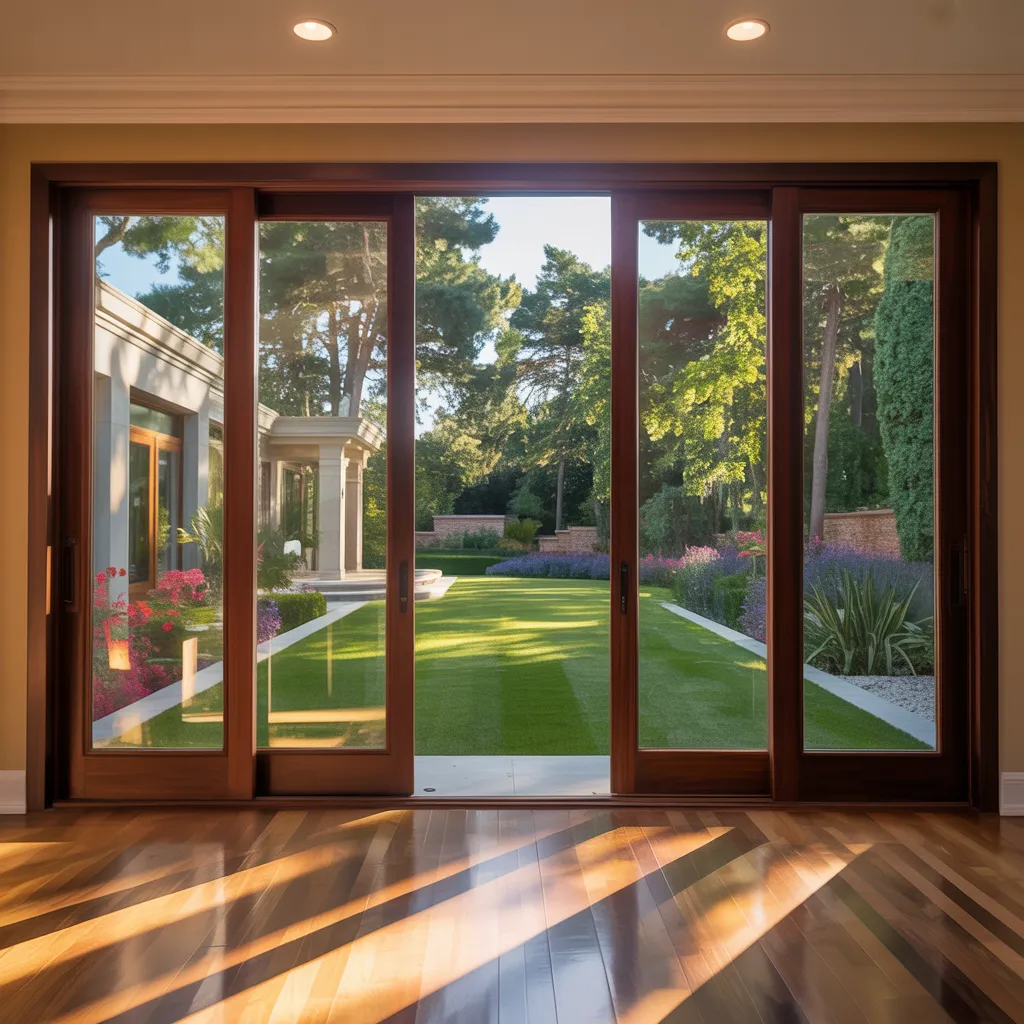
The Benefits of Sliding Doors for Small Spaces
Sliding doors deliver a variety of benefits especially ideal for small spaces. They are designed to enable seamless shifts between living areas without the necessity of extra floor area for door swings. This quality is especially valuable in smaller rooms where maximizing space is essential. Additionally, sliding doors are capable of improving the flow of natural light, creating an illusion of a more open and spacious area.
A wide range of sliding door styles integrate glass panels, which not only lighten interior spaces but also create visual continuity between inside and outside areas. Furthermore, sliding doors can be customized to accommodate diverse decorative tastes, permitting homeowners to keep their distinctive look while optimizing room space.
Moreover, they are frequently fitted with compact hardware that reduces clutter, significantly increasing the room's functionality. Overall, sliding doors offer an ideal choice for small areas, merging practicality and contemporary design to boost both functionality and visual attractiveness.
Selecting the Ideal Type of Sliding Door
When picking out the ideal sliding door for a compact space, there are several factors to keep in mind. First, the size and configuration of the door play a key role. A pocket sliding door, which tucks away into the wall, can save floor space and enhance accessibility. As another option, bypass doors slide alongside each other, making them suitable for narrower openings.
Moreover, the design of the door should align with the room's aesthetics. Selections vary from timeless to cutting-edge designs, permitting homeowners to harmonize the door with their existing decor. Beyond aesthetics, utility is a key factor; some doors offer enhanced insulation or soundproofing features, which can be beneficial in multi-purpose areas.
Finally, the simplicity of installation and upkeep is a key consideration. Property owners should assess whether professional installation is needed and what level of upkeep the door will entail. By evaluating these factors, individuals can choose a sliding door that maximizes both space and style.
Modern Materials for Sliding Doors
Material choice plays a major role in the functionality and aesthetic appeal of today's sliding doors. Contemporary options include glass, wood, metal, and composite materials, each offering unique benefits. Glass sliding doors, as an example, enhance natural light and create a sense of openness, making them an excellent choice for compact spaces. They can be framed with aluminum or wood for added durability and style.
Wood provides a cozy appeal and is available in numerous stains and finishes, giving a classic aesthetic that complements traditional interior designs. Doors made of metal, often made of aluminum or steel, offer strength and security while retaining a polished, modern appearance.
Composite materials bring together the strongest features of timber and man-made materials, offering resistance to moisture and warping. This range enables designers and homeowners to identify sliding doors that match their specific needs and aesthetic important resource preferences, ultimately optimizing both space and style in smaller living spaces.
Effective Space-Saving Strategies With Sliding Doors
A strategically positioned sliding door can considerably boost the usability of small spaces. By doing away with the need for door clearance, sliding doors generate additional usable space, making them well-suited for small spaces. Selecting a pocket sliding door can even better utilize space, as it slides neatly into the wall when opened, ensuring the floor remains unobstructed.
Installing mirrored sliding doors can also give the illusion of a larger area while supplying necessary storage space. With compact hallways or entry spaces, a rustic barn-style sliding door can enhance character without sacrificing space.
To optimize functionality, consider multifunctional sliding door systems that partition living zones while accommodating open-concept living when desired. Additionally, utilizing lighter materials can simplify door movement, guaranteeing seamless transitions. These actionable suggestions can transform small spaces into practical, attractive spaces, demonstrating that impressive design is possible without extensive space.
Smart Features for Privacy and Natural Light
How can smart features enhance privacy while allowing natural light to flow through sliding doors? Today's sliding doors with integrated smart technology deliver cutting-edge solutions for attaining both objectives. Glass panels are capable of offering customizable opacity levels, permitting users to switch from transparent to frosted at the tap of a button. This functionality guarantees that natural light permeates the space while maintaining privacy when needed.
Moreover, intelligent window solutions, such as automated blinds or shades, can be configured to operate based on the occupancy or daylight hours, delivering both flexibility and convenience. Smart sensors can monitor ambient light levels, modifying the opacity or shading to enhance both privacy and natural light. Furthermore, integration with home automation systems allows homeowners to control these features remotely, boosting both security and comfort. Such advancements not only enhance the functionality of compact spaces but also contribute to a harmonious balance of light and seclusion.
Installation and Maintenance Tips for Sliding Doors
Successful installation and maintenance of sliding doors can greatly enhance their longevity and functionality. Effective installation commences with exact measurements to secure a tight fit within the frame. It is crucial to level the track and securely attach it, which prevents future operational issues. Regularly checking and cleaning the tracks is essential; dirt and debris can hinder movement. Applying silicone spray to the rollers and tracks assists in preserving seamless functionality.
To maintain performance, examining the door seals periodically can keep drafts and moisture at bay. Furthermore, handling any scratches or dents quickly preserves the aesthetic appeal. When misalignment occurs, repositioning the rollers may fix the concern. Property owners ought to check the locking mechanisms to confirm that safety is not affected. By applying these setup and maintenance recommendations, people can enhance the functionality and longevity of their sliding doors, rendering them a worthwhile enhancement for limited spaces.

Frequently Asked Questions
Can Sliding Doors Increase Your Home's Energy Efficiency?
Sliding doors are capable of improving residential energy efficiency by providing better insulation and reducing air leakage. High-quality sliding doors, outfitted with thermally efficient glass, work to sustain interior temperatures, effectively reducing heating and cooling expenses for homeowners.
Are Sliding Doors Safe for Children and Pets?
Sliding doors may present safety hazards for kids and animals owing to their glass design and the risk of accidental operation. However, safety features like tempered glass and secure locks can mitigate these risks effectively.
What Are the Most Effective Methods for Cleaning Sliding Door Tracks?
To scrub the tracks of sliding doors properly, one should start by clearing away debris with a vacuum cleaner or brush, then apply a soapy cloth to scrub the tracks. Thoroughly rinse and dry to stop buildup from occurring again.
What Is the Typical Lifespan of a Sliding Door?
The typical lifespan of a sliding door generally falls between 20 and 30 years. Factors influencing durability consist of material quality, regular maintenance, and environmental conditions, all of which play significant roles in the door's longevity.