Bifold Doors for Easy Access
Bifold Doors versus Sliding Doors: Which Option Is Best for Your Home?
In the matter of selecting between bifold doors and take the first step sliding doors, homeowners are presented with a significant decision. Each choice provides distinct advantages designed for varying needs. Bifold doors produce a smooth transition between indoor and outdoor spaces, while sliding doors provide a modern, space-efficient option. Grasping the distinctions between each option can greatly impact aesthetic appeal and functionality. Which solution will best improve your home's aesthetics and usability? The outcome could be unexpected.
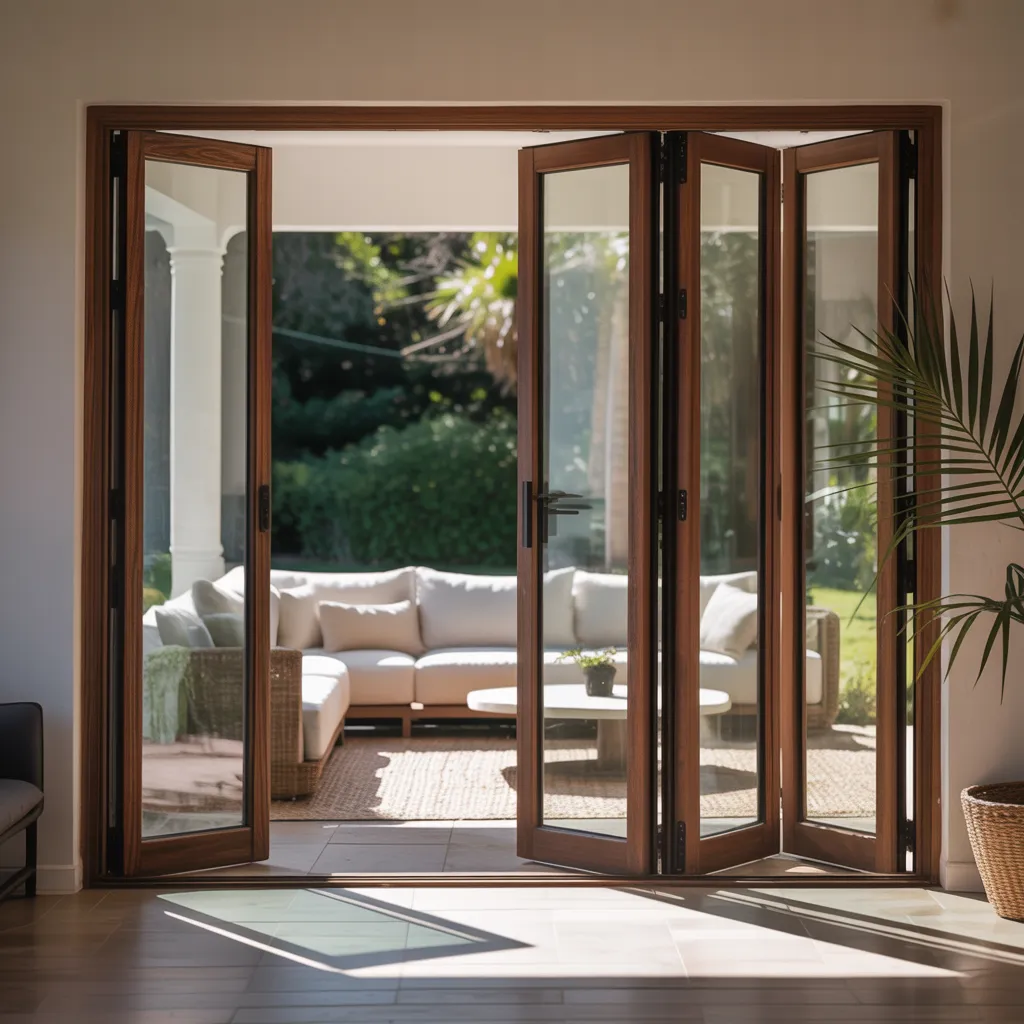
Bifold vs. Sliding Doors: Which Is the Best Choice for Your Space?
When selecting between bifold and sliding doors, what elements should be evaluated for superior functionality and aesthetic value? Available space is a critical consideration; bifold doors need additional space to open outward, making them a perfect choice for bigger spaces. By comparison, sliding doors glide along a track, requiring less space, which proves highly beneficial for smaller or more confined areas.
The style of the home also plays a significant role. Bifold doors tend to deliver a more modern aesthetic, due to their capability of producing broad openings, enhancing indoor-outdoor flow. On the other hand, sliding doors offer a clean, minimalist look that complements contemporary designs.
Durability and maintenance are additional considerations. Bifold doors often consist of more moving components, which can result in greater wear as time passes. On the other hand, sliding doors usually have a reduced number of components, which can make upkeep considerably easier. In the end, the decision between bifold and sliding doors depends on personal requirements, preferences, and the unique attributes of the space involved.
Main Advantages of Bifold Doors
Bifold doors deliver notable advantages for today's living spaces, particularly in their space-efficient design. By neatly folding against one side, they establish an open atmosphere that makes the most of usable space. Additionally, their generous glass panels increase natural light flow, lightening interior spaces and fostering a seamless connection with the outdoors.
Space-Saving Design Advantage
While homeowners often seek ways to maximize space, bifold doors offer an impressive answer. The distinctive design enables several panels to fold cleanly against each other, producing a wide opening that requires no substantial swing radius. This feature proves especially beneficial in compact spaces where conventional doors might restrict movement or reduce available area. Bifold doors can seamlessly connect indoor and outdoor environments, enhancing the flow of the home while providing flexibility in layout options. Furthermore, they are available in a range of widths and heights, rendering them appropriate for virtually any space. Overall, bifold doors not only save space but also offer an efficient way to enhance both functionality and aesthetics in residential settings.
Optimized Natural Light Access
As homeowners aim to increase natural light in their living areas, bifold doors prove to be an ideal solution for improving access to natural light. Unlike traditional sliding doors, which usually incorporate one stationary panel, bifold doors feature multiple panels that fold away, forming a broad entryway. This layout enhances the penetration of natural light, illuminating interiors more effectively. The expansive glass panels allow sunlight to penetrate deeper into rooms, reducing the need for artificial lighting during the day. Moreover, when fully opened, bifold doors form an uninterrupted link between inside and outside spaces, further enhancing the overall brightness of the home. This ability to invite natural light not only elevates the aesthetic appeal but also fosters a more inviting atmosphere.
Why Sliding Doors Could Be Your Best Bet?
When considering options for maximizing space and aesthetic appeal, sliding doors often stand out as an ideal choice for a wide range of homeowners. Their streamlined design facilitates effortless blending between interior and exterior spaces, elevating the general flow throughout a home. Compared to standard copyrightd doors, sliding doors eliminate the need for additional clearance to operate, making them especially beneficial in compact spaces.
In addition, sliding doors can be tailored with various materials and finishes, guaranteeing they suit any architectural style. They additionally provide generous glass surfaces, delivering unrestricted sightlines and abundant natural light, which can create a more inviting atmosphere.
When it comes to functionality, sliding doors are usually more straightforward to use, requiring minimal effort to open and close. This ease of use, combined with their aesthetic benefits, makes sliding doors a compelling choice for homeowners seeking to improve both the practicality and aesthetics of their living spaces.
Bifold vs. Sliding: Comparing Space Efficiency
Sliding doors shine in maximizing space, but bifold doors offer a attractive choice for homeowners looking to maximize openings. Sliding doors function on a guided track, enabling one panel to slide past the other, requiring minimal floor space when open. This design makes them ideal for smaller areas where space conservation is essential.
On the other hand, bifold doors consist of multiple panels that collapse back against each other. When fully extended, they form a more expansive passageway, which can optimize the flow between indoor and outdoor areas. However, this configuration demands more floor space to allow for the folding mechanism, which may be a consideration in limited areas.
At the end of the day, the final decision between bifold and sliding doors is determined by the particular requirements of the household. Homeowners who prefer open sightlines and broader entryways might gravitate toward bifold door systems, while individuals who appreciate seamless operation in tight spaces might discover that sliding doors better complement their space.
Price Breakdown: Bifold vs. Sliding Doors
Price plays a major role for households evaluating sliding or bifold doors, with each option presenting different financial consequences. Generally, bifold door options usually come at a higher cost because of their intricate mechanisms and the need for premium materials to guarantee smooth operation. Fitting costs can run higher as well, necessitating skilled labor for exact fitting.
On the other hand, sliding doors typically feature a more affordable price, making them a financially accessible alternative. The straightforward construction usually means decreased installation fees. Nevertheless, homeowners ought to evaluate ongoing financial considerations, such as thermal performance and the need for repairs or component upgrades.
In the end, although bifold doors present a visually attractive and adaptable solution, sliding doors might represent a more affordable choice from the start. Considering both starting costs and future financial implications is vital for homeowners to reach a well-informed conclusion based on their financial constraints and lifestyle requirements.
Upkeep and Longevity: Which One Stands the Test of Time?
Maintenance and durability are key considerations for homeowners evaluating bifold and sliding doors. Bifold doors, often constructed from wood or aluminum, require regular maintenance to prevent wear and tear on copyrights and tracks. Homeowners must ensure the mechanisms are adequately greased and check for any signs of deterioration or wear, particularly in wooden models. In contrast, sliding doors typically feature a less complex structure with minimal mechanical elements, which can lead to reduced upkeep requirements. However, the tracks can accumulate dirt and debris, demanding routine maintenance to guarantee smooth operation.
In terms of durability, both door types can last many years if properly maintained. Bifold doors are often more prone to the effects of environmental exposure, while sliding doors generally provide robust resistance to the elements. Ultimately, the choice between bifold and sliding doors should consider individual lifestyle, maintenance preferences, and the specific material used in the door's construction.

Questions We Often Receive
How Do Bifold and Sliding Doors Affect Home Energy Efficiency?
Bifold doors typically enhance energy efficiency by delivering improved insulation and decreased air infiltration, while sliding doors can lead to greater heat loss due to larger openings. Overall, bifold doors often provide superior thermal performance.
Is It Possible to Install Bifold or Sliding Doors on My Own?
Fitting bifold or sliding doors by yourself is possible for those with DIY skills. That said, exact measurements, appropriate tools, and compliance with installation guidelines are crucial to ensure optimal functionality and maintain energy efficiency in the household.
Which Materials Work Best for These Door Styles?
For bifold doors, high-quality wood or aluminum is recommended owing to their long-lasting nature and attractive appearance. Sliding door installations commonly function optimally with frames made of vinyl or aluminum, delivering protection against the elements and low-maintenance convenience while ensuring smooth operation.
How Do I Choose Between Glass or Solid Panels?
Deciding between glass versus solid panels relies on preferred aesthetics, natural light, and privacy. Glass panels enhance openness and brightness, while solid panels provide insulation and soundproofing, catering to different preferences and functional needs in a home.
Which Are Better for Small Spaces, Bifold or Sliding Doors?
Bifold doors are generally better for limited spaces, as they open fully and create a fluid shift between the interior and exterior. Sliding doors, while practical in terms of space, do not provide the same generous opening as bifold alternatives.